
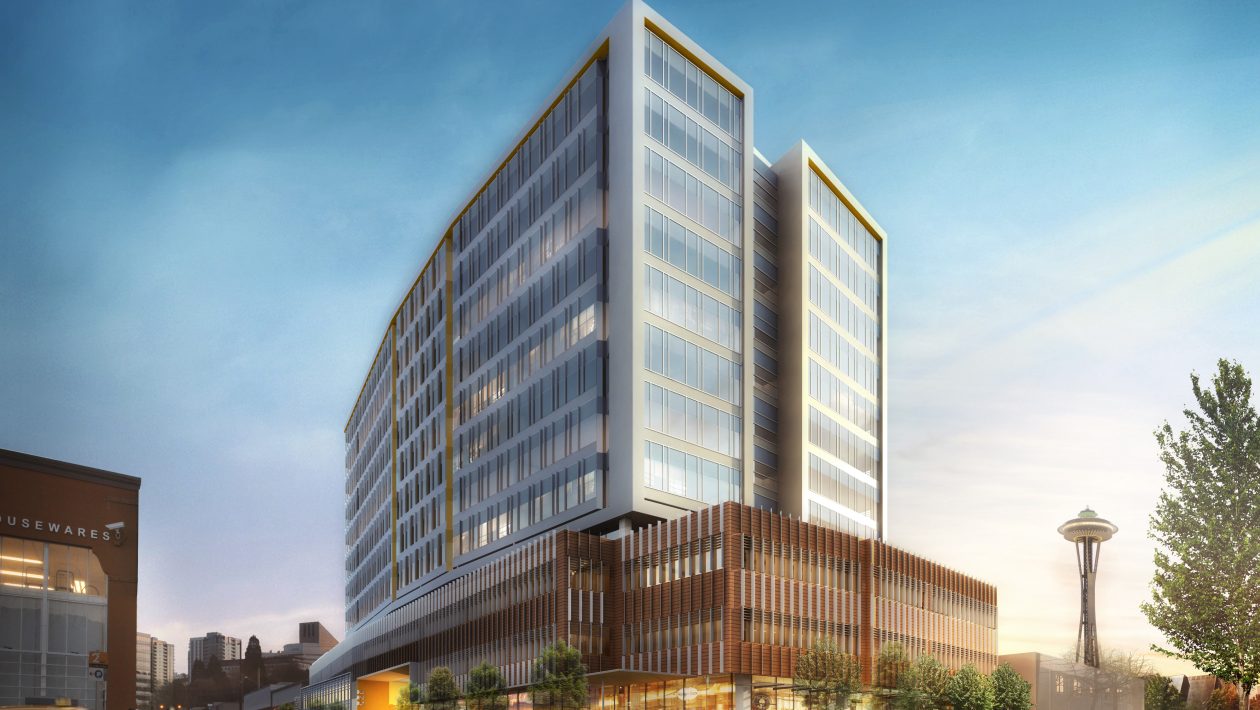
Dubai’s commercial real estate market is a direct reflection of its ambitious economic vision. Beyond the iconic skyscrapers and luxurious resorts lies a robust and strategically developed landscape for business, designed to cater to every corporate need. The sectors of traditional offices, flexible serviced offices, and industrial warehouses each tell a distinct story of adaptation, growth, and future-facing strategy.
Office Space: A Tale of Two Markets
The Dubai rental office segment is characterized by a pronounced flight to quality. While there is an oversupply of older, lower-grade space in certain central business districts, demand remains exceptionally strong for high-quality, Grade-A developments in prime locations like Downtown Dubai, DIFC (Dubai International Financial Centre), and Business Bay. This divergence is driven by multinational corporations and large local enterprises seeking premium amenities, modern infrastructure, and prestigious addresses to attract top talent and enhance their brand image.
An interesting fact is the record-breaking rental rates in DIFC, which have solidified its position as one of the most expensive office locations in the Middle East, rivaling global financial hubs. This underscores Dubai’s success in positioning itself as a global financial and business nexus. Conversely, this flight to quality has created opportunities for SMEs and startups in older districts, where landlords offer attractive incentives to secure tenants, presenting a market of varied options for different business sizes and budgets.
Serviced Offices: The Epitome of Flexibility
The serviced office sector has exploded in popularity, becoming a mainstream choice rather than a niche alternative. Fueled by the post-pandemic shift towards hybrid work models and an influx of entrepreneurs and remote workers through initiatives like the Dubai Virtual Program, flexible workspaces are in high demand. Providers like Regus, WeWork, and a host of local players offer plug-and-play solutions from hot desks to entire floors.
A key trend is sector-specific flexible spaces. We are seeing the emergence of serviced offices tailored for tech startups, creative industries, and even legal firms, offering specialized amenities and community networking events. This hyper-specialization allows businesses to operate with maximum agility, scaling their space up or down without the burden of long-term leases and capital expenditure. The market is so vibrant that many traditional landlords are now incorporating flexible workspace operators as anchor tenants within their Grade-A buildings to meet this demand.
Warehouses and Logistics: The Backbone of Trade
The industrial real estate sector, particularly warehouses and logistics facilities, is experiencing unprecedented growth. This is directly tied to Dubai’s strategic focus on strengthening its position as a global trade and logistics hub. The rise of e-commerce, expansion of Dubai’s airports and ports, and mega-projects like Dubai South (the home of Expo 2020 and the future Al Maktoum International Airport) are major drivers.
An fascinating development is the surge in demand for high-specification or “Prime Logistics” warehouses. Tenants now seek modern facilities with higher ceiling clearances (12+ meters), advanced cooling systems, cross-docking capabilities, and solar power integration, moving beyond basic storage units. Locations like Dubai South, Jebel Ali, and Dubai Industrial City are hotspots for such developments. The market is so tight for these premium logistics spaces that vacancy rates are minimal, leading to steady rental growth and significant investor interest.
Conclusion: An Interconnected Ecosystem
These three sectors do not operate in isolation. They form an interconnected ecosystem. A thriving corporate office market fuels demand for flexible workspaces for satellite teams and project-based work. Both, in turn, drive the need for sophisticated logistics to support their supply chains and e-commerce activities. Government initiatives like economic diversification and attractive visa policies continue to inject momentum into all segments. While global economic fluctuations present challenges, Dubai’s commercial real estate market demonstrates remarkable resilience, underpinned by a clear vision and an unwavering commitment to facilitating global business. The current landscape offers a compelling mix of premium quality, unparalleled flexibility, and industrial strength, making it a key barometer of the emirate’s continued economic ascent.