
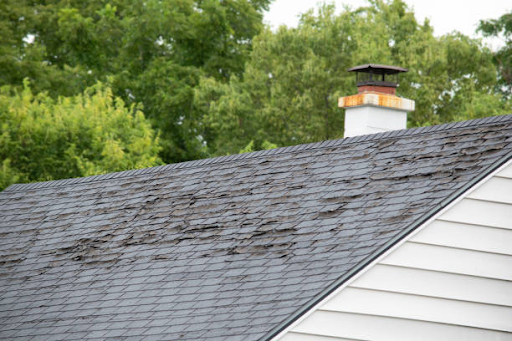
Have you ever been so focused on running your business that your roof barely crosses your mind?
That is completely normal. Most business owners think about customers, staff, sales, deliveries, meetings, and daily operations first. The roof usually stays in the background, doing its job quietly.
Still, your commercial roof works hard every day. Sun, wind, foot traffic, drains, equipment, and small maintenance items can all affect how well it performs. With a little attention, you can keep your roof in strong shape and support the comfort of everyone inside.
Table of Contents
Small Debris Can Affect Roof Drainage
Leaves, dust, branches, packaging bits, and wind-blown items can collect on flat or low-slope roofs. Over time, that buildup can slow water flow toward drains.
A clear roof surface helps water move the way it should. It also makes inspections easier and keeps maintenance simple.
What to Watch For
Helpful checks include:
- Looking near drains and scuppers
- Clearing leaves after windy days
- Checking corners where debris gathers
- Keeping rooftop paths open
- Scheduling seasonal cleanups
A clean roof is easier to manage and easier to protect.
Clogged Drains Can Create Standing Water
Commercial roofs often depend on drains, gutters, and scuppers to move water away. When these areas stay clear, the roof can do its job smoothly.
Standing water is often linked with low-slope roofs, so regular drainage checks are a smart part of building care.
A Simple Drainage Routine
Try this easy maintenance rhythm:
- Check drains after rain.
- Clear visible leaves or buildup.
- Keep downspouts open.
- Ask a roofing professional to inspect flow paths.
- Keep photo records after each check.
This gives you a clear history of roof care.
Rooftop Equipment Needs Attention
Many business roofs hold HVAC units, vents, skylights, pipes, and access panels. These features are useful, but the areas around them need regular care.
Penetrations and curbs should stay well sealed and properly flashed. Current roofing maintenance checklists commonly include rooftop equipment, seams, and penetrations as key inspection points.
Why Equipment Areas Matter
Around rooftop equipment, look for:
- Clean sealant lines
- Secure flashing
- Clear walking paths
- Protected roof surfaces
- Neat service areas
If technicians visit the roof often, a walkway pad system can help guide foot traffic and support the roof surface.
Foot Traffic Can Wear Down Busy Roof Areas
Commercial roofs are often visited by maintenance teams, inspectors, and equipment workers. Regular access is normal, and simple planning helps keep roof surfaces protected.
Marked paths can guide people across safe walking areas. This helps everyone move with more care.
Ways to Manage Roof Access
Consider these steps:
- Use marked roof walkways
- Keep access doors secure
- Log service visits
- Share roof-care rules with vendors
- Schedule roof checks after major equipment work
For local buildings, a professional familiar with commercial roofing in Los Angeles can help review access points, drainage, and roof materials in relation to the area’s sun, wind, and building needs.
Sun and Heat Can Age Roofing Materials
Roofs spend every day in the sun. In sunny regions, UV exposure and heat can affect coatings, sealants, and surface materials over time.
Los Angeles roof inspection sources often mention dry climate and UV exposure as reasons to keep up with preventive roof care.
Helpful Sun-Care Checks
A roof care plan may include:
- Checking coating condition
- Reviewing sealant around edges
- Looking at flashing details
- Inspecting exposed surfaces
- Planning timely maintenance
These checks help the roof stay ready for changing weather.
Flashing Details Deserve Regular Review
Flashing helps connect roof areas around walls, curbs, vents, skylights, and edges. It plays an important role in keeping water moving correctly.
Because flashing sits at connection points, it should be part of every roof review.
Common Flashing Areas
Look around:
| Roof Area | What to Check |
| Parapet walls | Secure edge details |
| HVAC curbs | Clean seals |
| Skylights | Neat flashing lines |
| Pipe vents | Tight collars |
| Roof edges | Proper finish |
A careful flashing check can help keep the whole roof system working well.
Nearby Trees Can Add Extra Roof Care Tasks
Trees can give shade and make a property look pleasant. They can also drop leaves, small branches, and pollen onto roof surfaces.
With simple upkeep, trees and roofs can work well around each other.
Tree-Friendly Roof Tips
Try these:
- Trim branches near the roofline
- Clear leaves during seasonal changes
- Check drains more often in leafy areas
- Keep roof edges clean
- Look for shaded spots that hold moisture longer
This keeps the building exterior looking cared for from top to bottom.
Skipping Documentation Makes Planning Harder
Good roof care is easier when you keep records. Photos, inspection notes, service dates, and repair details help you plan ahead.
Documentation also helps property managers, building owners, and maintenance teams stay aligned.
What to Track
Keep a simple roof file with:
- Inspection dates
- Photos
- Drain checks
- Service visits
- Repair notes
- Warranty details
- Future maintenance plans
This makes roof care feel organized instead of stressful.
Conclusion
Your roof supports your business every single day, even while your attention is on customers, teams, and growth.
Small things like debris, drainage, equipment areas, foot traffic, sunlight, flashing, trees, and records all deserve steady care. With routine checks and a simple maintenance plan, your commercial roof can stay strong, clean, and ready to support your building for years.